


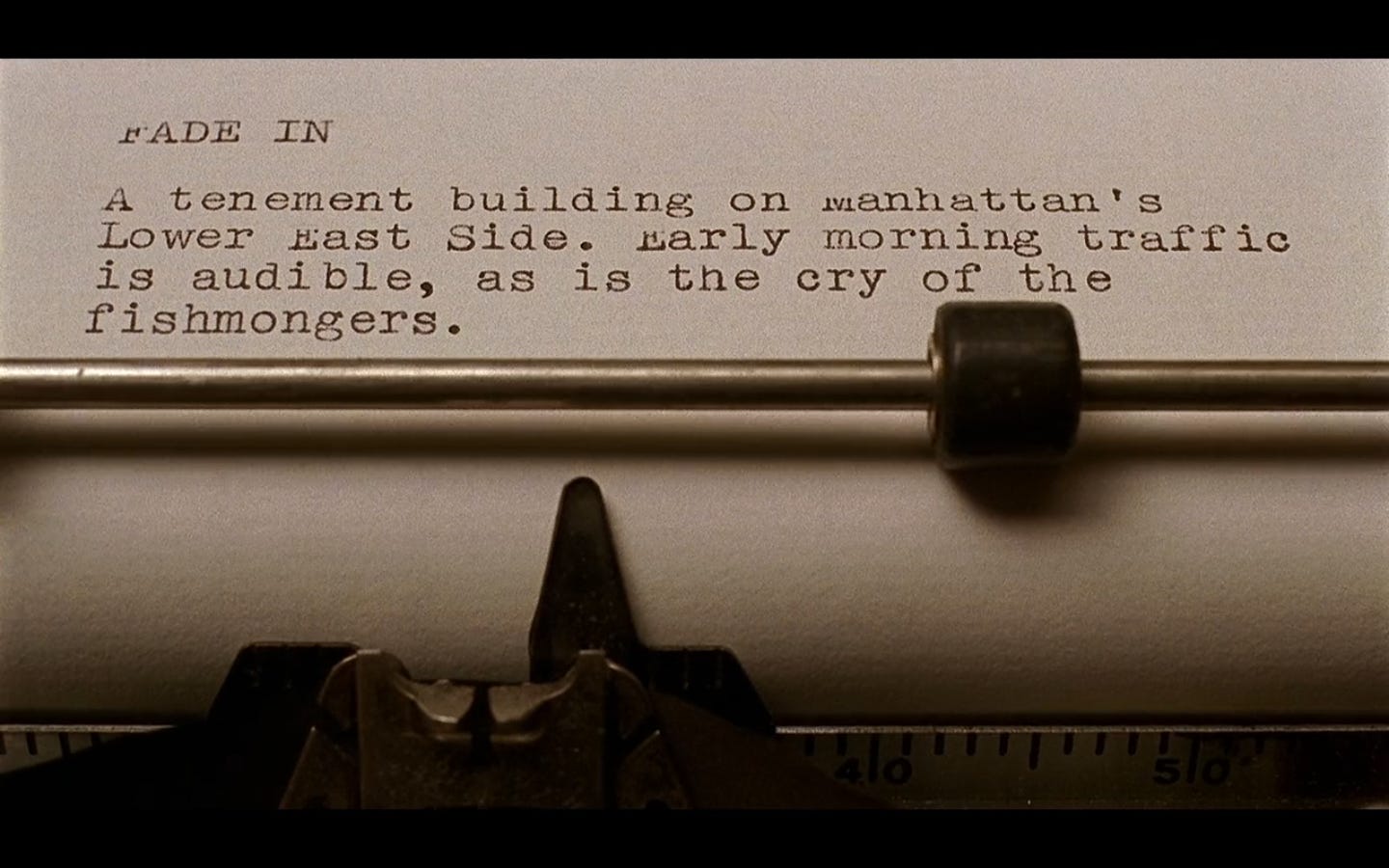
Landing that first line is like executing a triple axel: it looks effortless but it is the result of years of hard work.
“Lolita, light of my life, fire of my loins.”
“Many years later, as he faced the firing squad, Colonel Aureliano Buendía was to remember that distant afternoon when his father took him to discover ice.”
“I rose up sopping wet from sleeping under the pouring rain, and something less than conscious, thanks to the first three of the people I’ve already named—the salesman and the Indian and the student—all of whom had given me drugs.”
The maxim “make your first line matter” is inescapable, especially for new writers. When I edited for Joyland, a grabber could lift a piece out of the inbox, but it always helped if the whole first paragraph sang as well. And the quality, of course, had to continue beyond that. With famous opening lines there’s also something of a retrospective effect: when a book becomes iconic so does its first line, first edition cover art, etc.
Of course, first impressions matter, and a captivating opening line can compel a reader to start your book or story. But during the first or second draft, how can you be sure that the beginning will be the one that stays? You wind up struggling to write the absolute best line you can, and eventually you put it in the garbage. As I progress in a project, I often realize I can start much later—that the early pages are just me convincing myself, and I inevitably wind up saying goodbye to some of them. Given this reality, is the emphasis on the first line a little unfair?
Years ago, I gave my creative writing students a full page of standout first lines, including the ones above. The main discussion was: how many of those authors wrote those lines from the outset, and how many revisited them after toiling away and finally understanding what they were truly trying to say?
I’m a strong advocate for stepping away when the work isn’t flowing. Some of my best opening lines have arrived while I was doing something else entirely. The opening for The Blondes came to me while walking home with heavy bags of groceries. I thought, “Women have stupid dreams…”—a reflection of my own feeling that I wanted everything at once: a great career as a writer, to become a parent, a great relationship, and even good meals that came from nowhere. (This was a couple of years before DoorDash.) This statement felt provocative, loaded, and even mean, yet I was sure it was deeply relatable to others. I went home, wrote it down, and never changed it. However, other openings were often changed several times, sometimes with the final first line even coming from my editors.
