


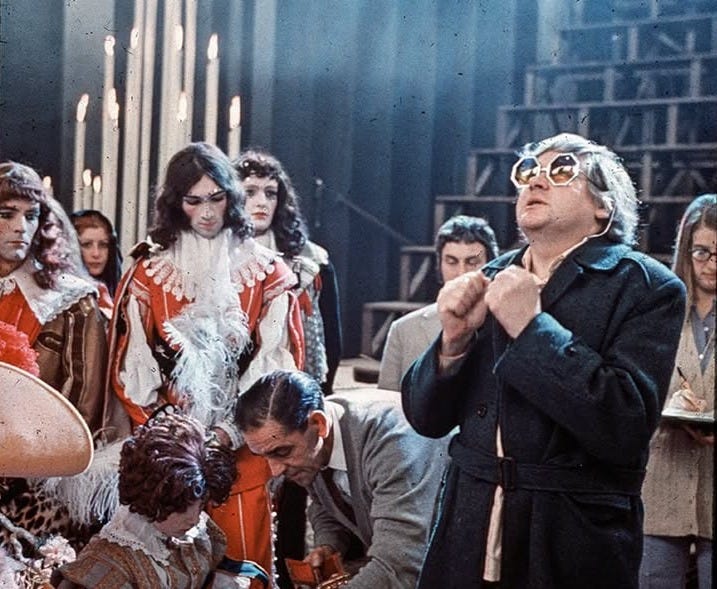
Ken Russell’s The Devils was a movie I had never seen the same cut of twice. That it was finally resurrected this year and embraced by an entire new generation of filmgoers is more than heartening. Filmic anarchists only get so many wins and the second life of The Devils is one of them. Despite his unhinged visual palette—opera, Deco, documentary, ecclesiastical—Russell claimed in his autobiography to never have touched a hallucinogen or drug and that his one vice was classical music. Russell was being somewhat disingenuous as he had two very public addictions, both of which led to a wildly inconsistent filmography. First, he grew up in a very alcoholic part of England. It’s called England,1and his drinking would only increase as his budgets shrank. He was also addicted to filmmaking no matter his economic circumstances, from the moment he started making whimsical documentaries on the lives of composers for the BBC in the early 1960s, to his final film scandals, including driving a screenwriter to an early grave. If you’re looking for another Devils in Russell’s filmography, you won’t find it. But you will find an unerring commitment to the marriage of music’s emotional drive to film’s momentum, a love for subversive sexuality, and a (lapsed) Catholic sense of excess.
The Establishment Years
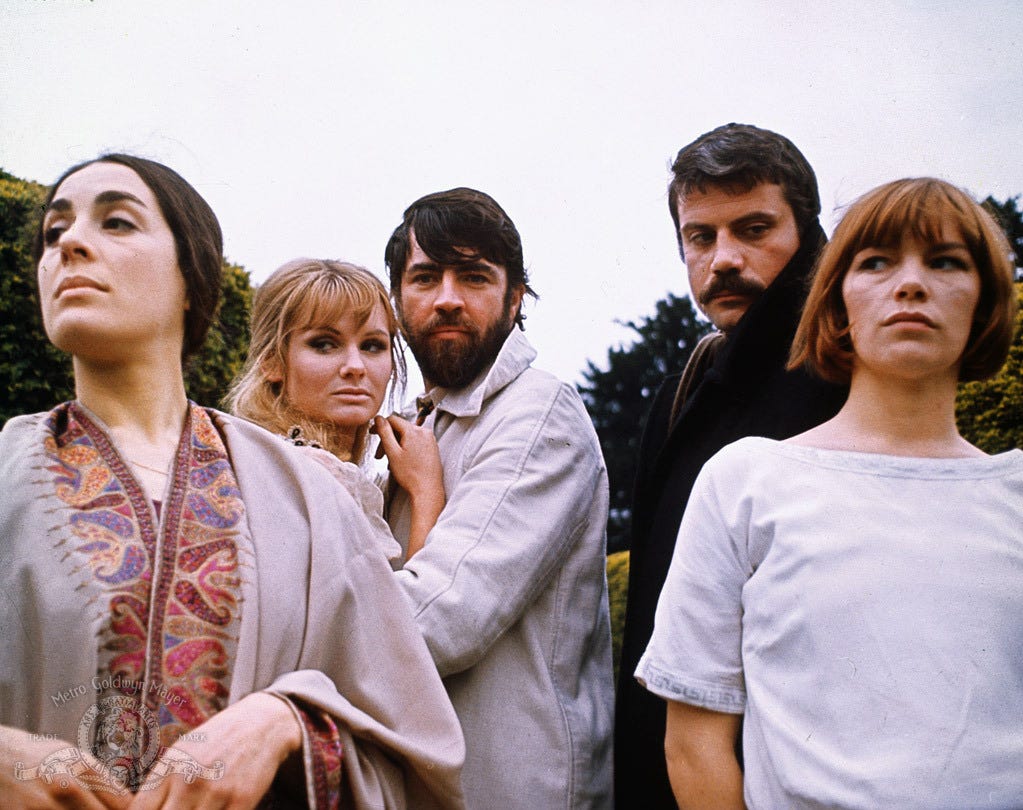
Women in Love (1969)
By all accounts straight, Russell also allowed a queer and campy part of his soul to thrive in his art. (And fashion. According to The Devils’ production designer Derek Jarman, Russell could look like “The mad empress from some B movie — waving his cane, his long hair flowing, wearing a smock and enormous rings on every finger.”) Along with screenwriter Larry Kramer (later of The Normal Heart fame), Russell filled out D.H. Lawrence’s vivid, but ponderous novel about the sexes with biographical details, like the infamous nude wrestling scene between Oliver Reed and Alan Bates. It all made for a lusty and alive literary adaptation that took Russell to Oscar glory and respectability, if only for a few years.
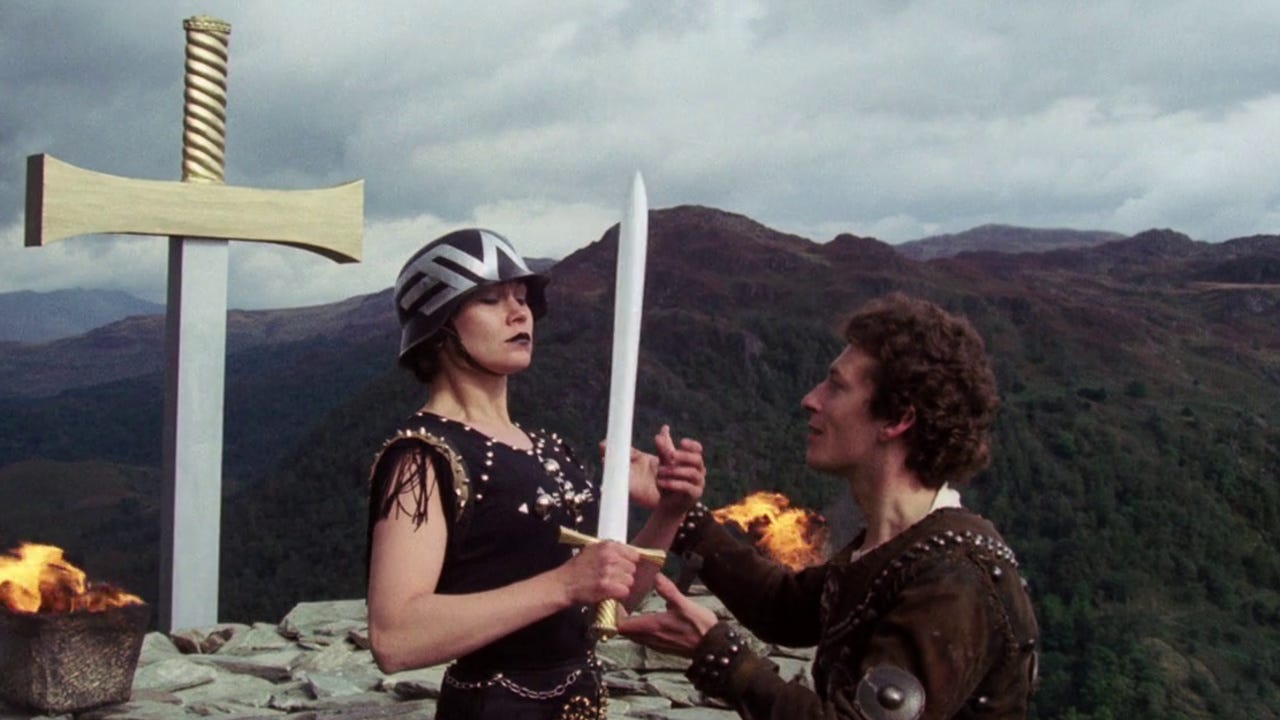
Mahler (1974)
In a way Russell never stopped making biographies. In Mahler, Russell zooms forwards and backwards through his favorite composer’s life, most notoriously in a fantasy battle where the recently converted Mahler confronts anti-Semite Cosima Wagner, decked out in an early Vivienne Westwood and Malcolm McLaren costume that would make Elon Musk tremble with strange desire. Mahler is both complicated and romantic about the impossibility of making art outside of politics and it’s the closest Russell ever came to a perfect marriage of film and music.
The Platform Shoes Years
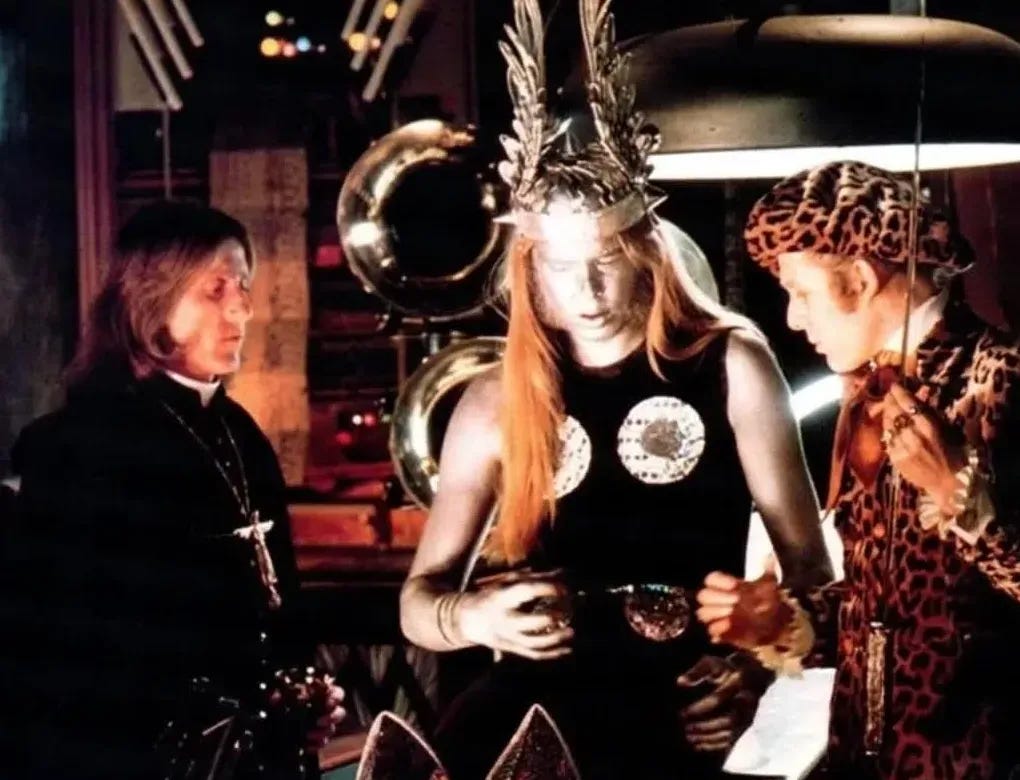
Tommy and Lisztomania (1975)
With both films starring The Who’s Roger Daltrey, it’s impossible to tell my memories of these two spectacles apart. Mileage may vary depending on your tolerance for exuberance-over-coherence, but it’s interesting to note Russell’s most lasting impact was on live musicals, not on filmmaking. (You just can’t imitate Russell films. Exhibit A: The Apple.)
The Wilderness Years
Altered States (1980)
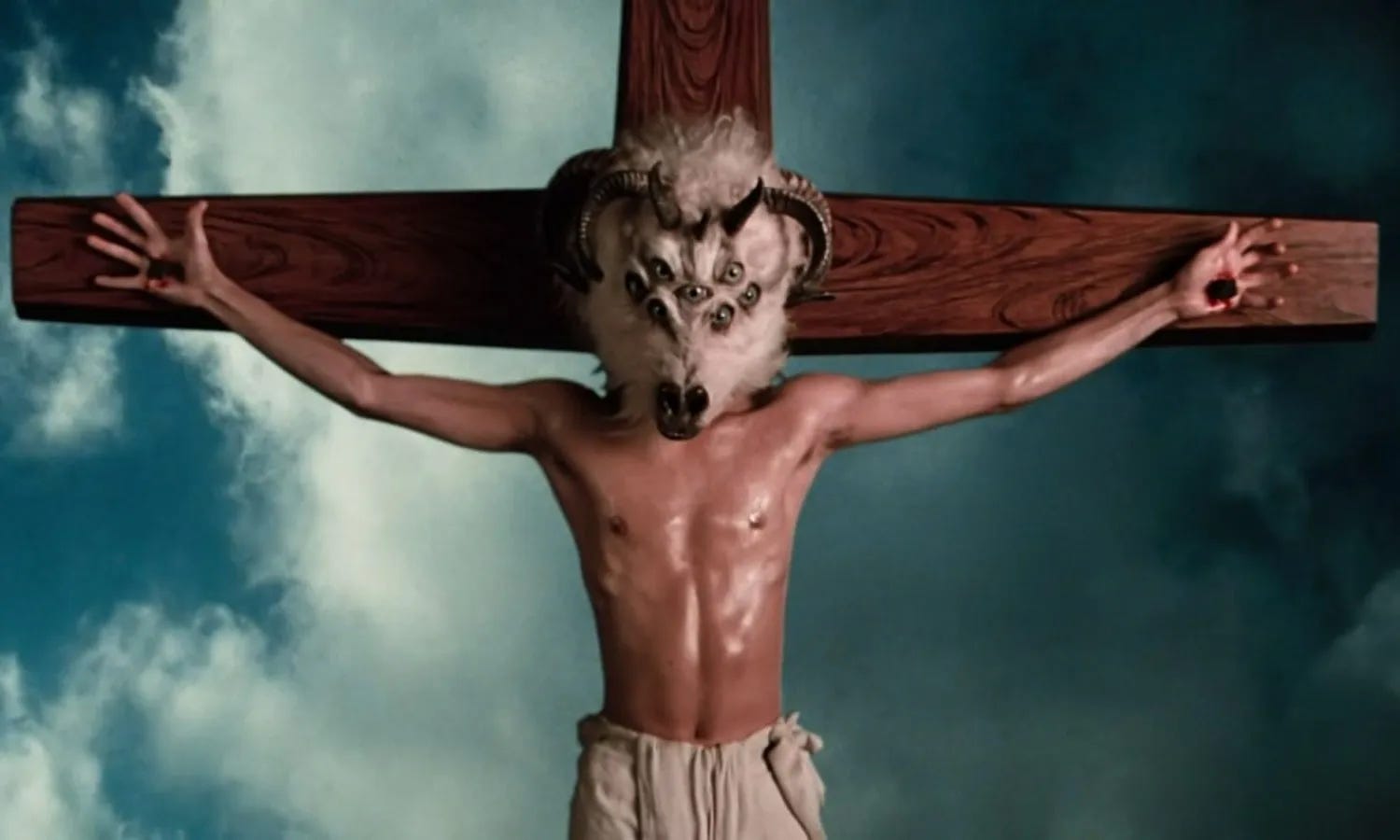
After Network, screenwriter Paddy Chayefsky was both invincible and in the throes of a messiah complex. What else can explain the writer of Marty taking on dramatically DOA concepts like “the death of god” and “the meaning of consciousness?” Chayefsky threw himself into researching and writing Altered States, giving himself a heart attack by the time the film was green-lit under the dubious idea it was an effects-driven tentpole film. He had the power to fire the director and did so with original helmer Arthur Penn. Also, not a word of the script could be changed. (That works with theater. Far less so with film.) Enter 27th directorial pick Ken Russell. Stuck with a verbose script, Russell had the cast race through the dialogue, drunk or while eating, in order to make space for the film’s trip scenes. (Imagine Kenneth Anger given a Warner Brothers budget and access to ILM.) Chayefsky accused Russell of being a drunk, while Russell had Chayefsky banned from set. After the film’s premiere, Chayefsky removed his name from the film and fell ill from stress, eventually dying five months later. The tragedy is that Russell knew what Chayefsky wanted from Altered States more than the screenwriter did.
Crimes of Passion (1984)
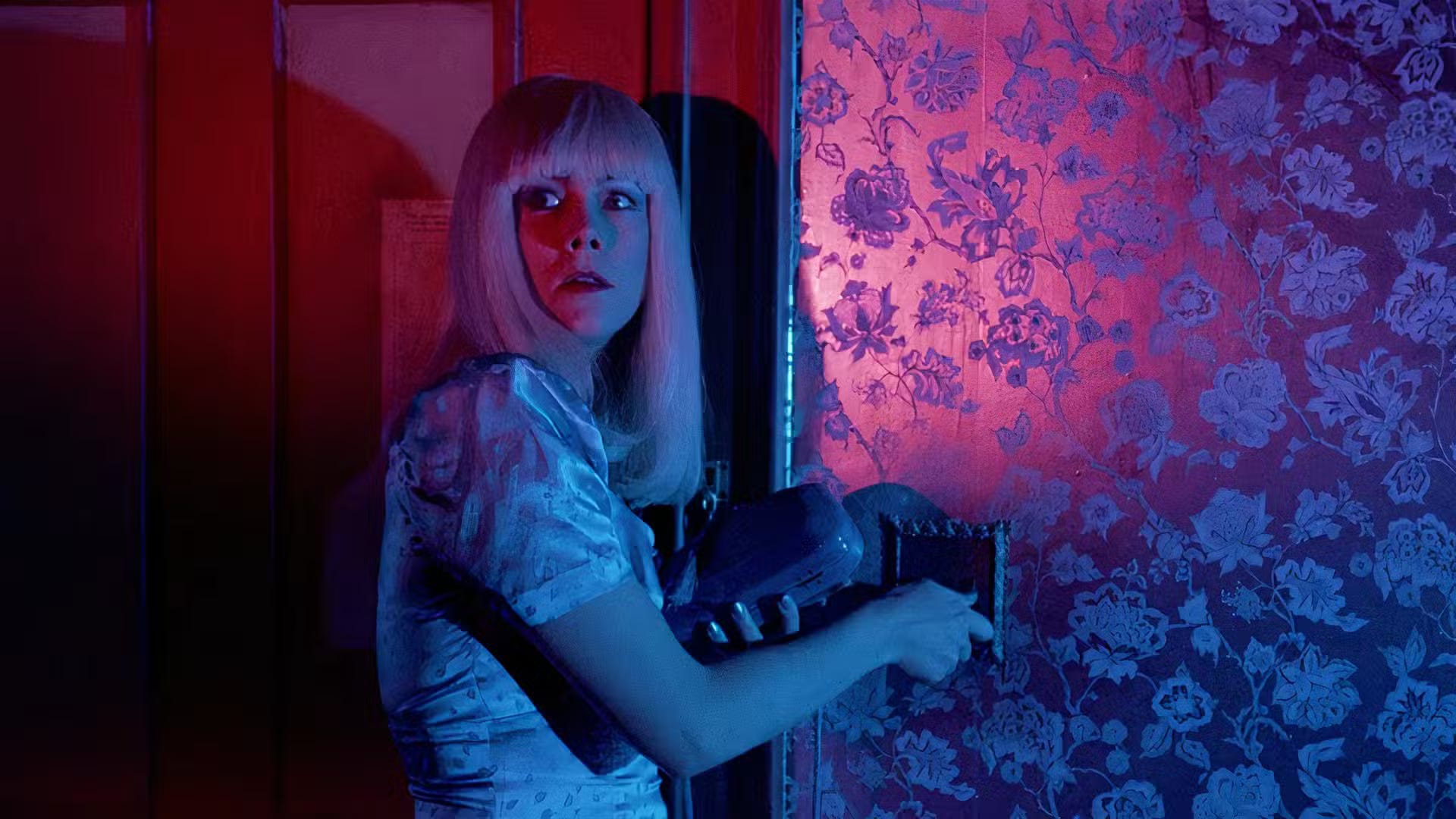
Red Light Los Angeles was an odd place for Ken Russell to land but after the debacle of Altered States, he had gone without a picture for four years. Then he was offered Barry Sandler’s script where the writer of Making Love transposed his experiences from pre-AIDS cruising life to the character of China Blue: a fashion designer by day/prostitute by night played by Kathleen Turner. With the exception of a street preacher/stalker played by a popper-huffing Anthony Perkins, Crimes of Passion is essentially plotless, but still fun, as if Vincente Minnelli directed Vice Squad. However, the brazen sexuality of Crimes of Passion went off like a bomb at the peak of Thatcher and Reagan’s stranglehold on culture. Most notoriously in the uncut version where Kathleen Turner earns the nickname “Nightstick” during a date with a submissive cop. Keep in mind that Romancing The Stone, your mom’s favorite movie of 1984, had opened only months before, with the smash hit anointing Turner as America’s sweetheart. This timing, along with the ratings battle and Russell’s on-set drinking, meant Hollywood was done with him.
The Vestron Years
If you were a VHS kid in the 1980s, Vestron was your A24. That cheesy animated “V” and sizzling synth line announced everything from a Clive Barker oddity like Rawhead Rex to Dirty Dancing. And in 1986 Ken Russell signed a three picture deal with them after the surprise video success of Gothic. Russell’s low-budget phantasmagoria has a perfect cast with Gabriel Byrne as Lord Byron and Natasha Richardson as Mary Shelley at Byron’s opium-driven writing retreat, but it doesn’t quite hold up beyond being on in the background.
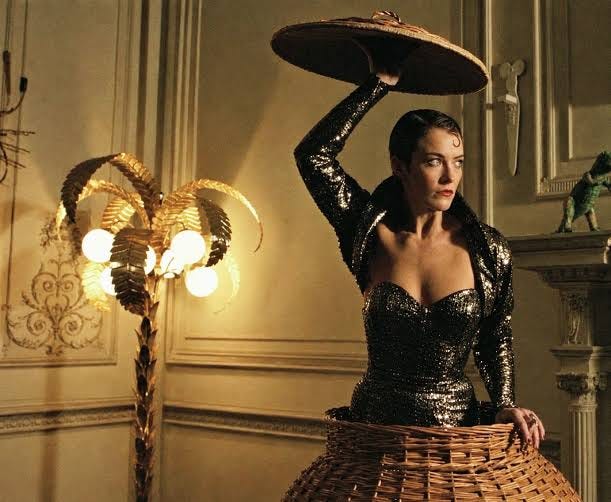
Then there’s Lair of the White Worm from 1988. According to Hugh Grant, Russell declared the script—based on a forgotten Bram Stoker novel—to be “pure shite” and spent lunch every day with the cast, drinking and improvising scenes and dialogue. What results is a hilarious, pervy tribute to pagan Britain and Russell’s own filmography, given that it’s almost The Devils recast as a chic comedy. (With early performances from Grant, Peter Capaldi, and Amanda Donohoe a posh vampire.) That the film is so enjoyable makes Lair of the White Worm the cinematic equivalent of a drunk in a midnight choir stumbling in and hitting every note.
Shop for Ken Russell films at DiabolikDVD
Yes, I stole this joke.