


Since we’re looking at bad writing advice this month it makes sense to ask: Where do writing rules come from anyway?
Editors certainly have their style bugaboos from so much reading, and creative writing teachers are often desperate to convey anything concrete about the art form. If something is pithy and short enough to fit on a coaster, it will get repeated, wrong or right. That’s just how humans learn—mostly through drink coasters. Does that mean it’s all subjective? It can be. There’s a great firing scene in the movie Full Frontal where David Hyde Pierce’s character is told, “You’ve mistaken your quirks for standards.”
One rule that is repeated so much it can now be considered a standard is: Show, don’t tell.
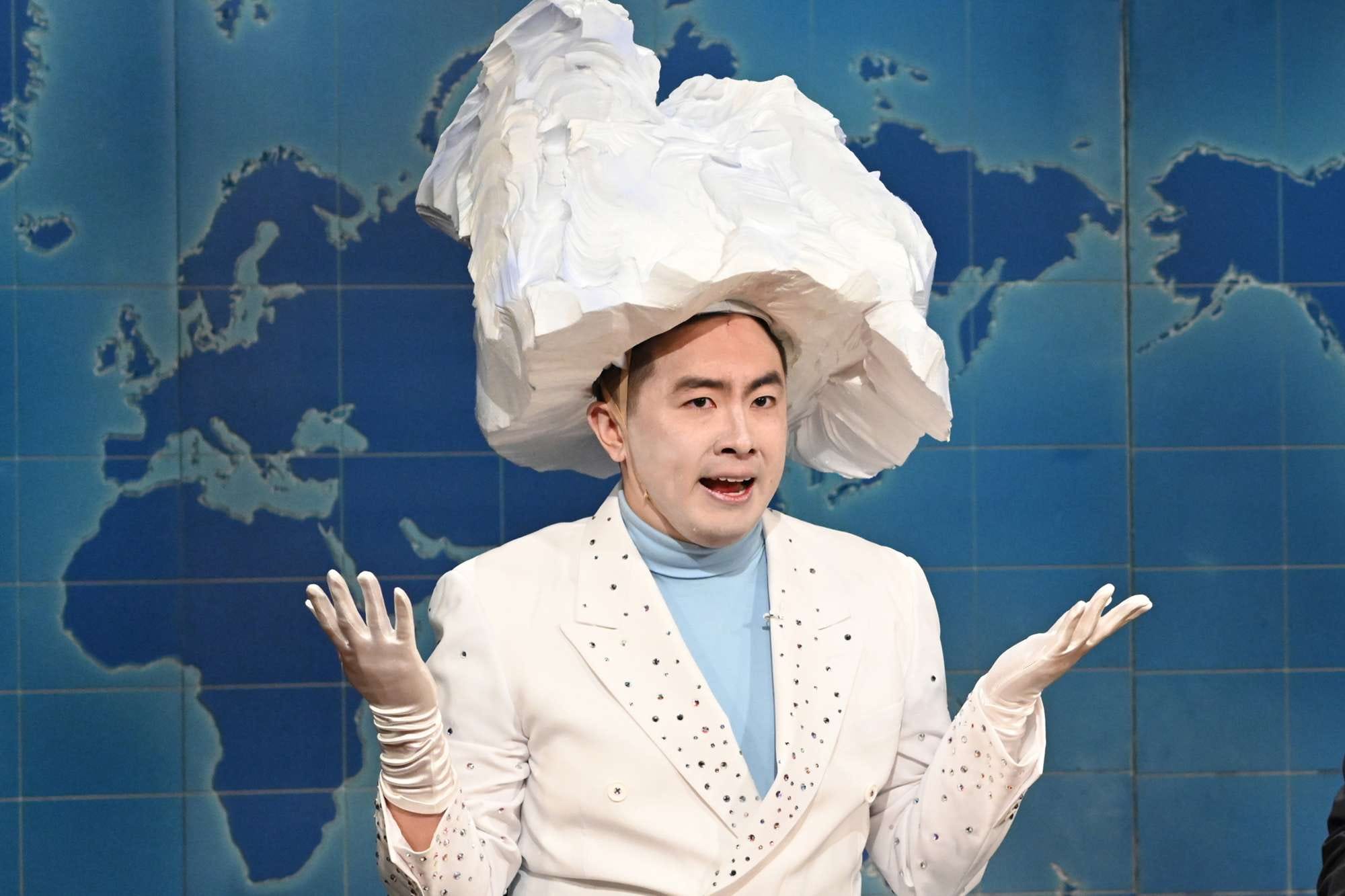
It is often the first piece of advice given to new writers, because active scenes are great. But follow this advice too much and it can steer your work towards being vague and underwritten, like a tired Ernest Hemingway. That comparison is not an accident. Hemingway had his own theory of spareness that came to be called The Iceberg Theory.
If a writer of prose knows enough about what he is writing about, he may omit things that he knows and the reader, if the writer is writing truly enough, will have a feeling of those things as strongly as though the writer had stated them. The dignity of movement of an iceberg is due to only one-eighth of it being above water.
No matter the branding, these rules favor a certain kind of writing: American modernism of the early twentieth century. This is when novels were being challenged—and changed—by new technology like films and television. A format that let us “see” the events. But that time is over, novels survived, and they are not scripts. If prose writing has a superpower it’s that there is room for your voice, and you can make clear statements anytime in your writing. Or you can lie. Unreliable narrators are more well liked than you think!
