


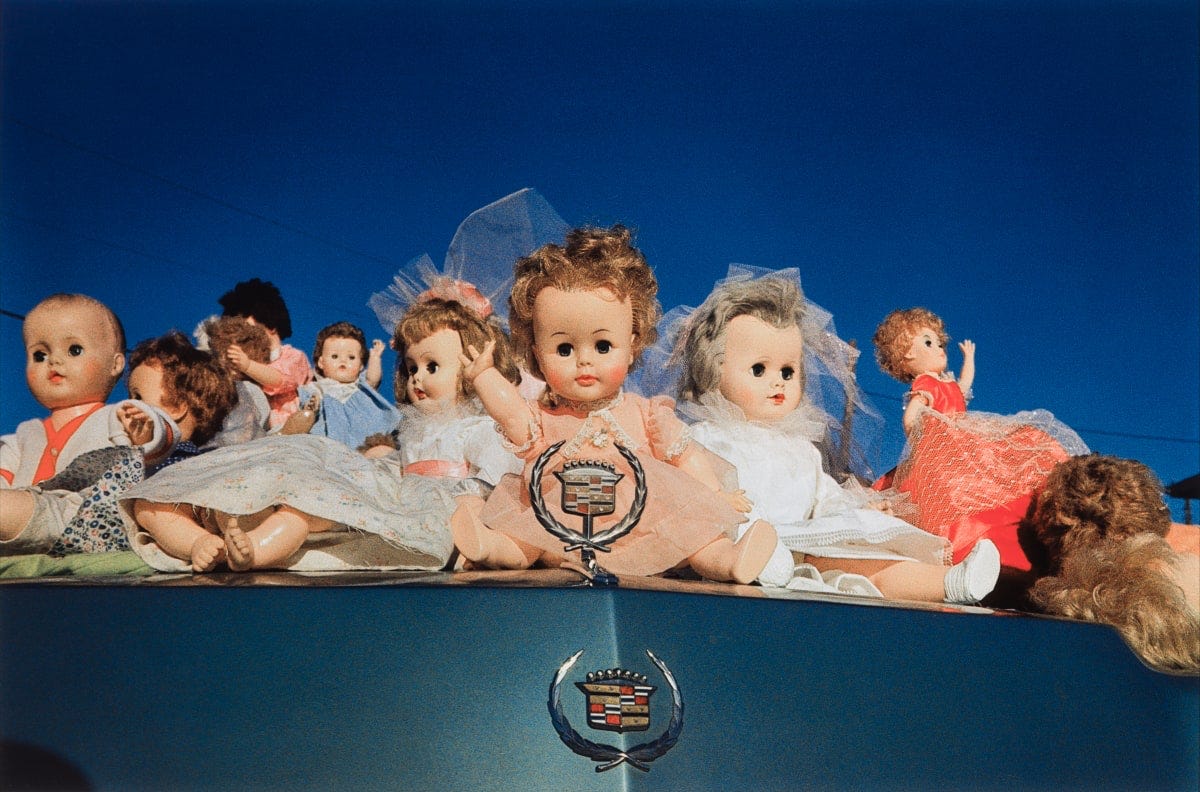
This next month I’ll be looking at bad writing advice. Lucky for me, as a blizzard has brought New York to a standstill, I already wrote about what I think the single worst writing advice is. (Thanks to Amy Shearn for commissioning this back in 2021.)
You’ve heard the advice many times before, probably from an overworked teacher reaching for any easy-to-convey technique, or from that workshop bro who wanted to win a story argument without putting in too much effort. The advice is “kill your darlings.”
I hate that I have to point this out, but killing something you love is psychopathic and illegal.
Like all trite advice there’s truth hiding in the kernel. If you’re being edited well, you really will cut things you’re fond of in service to the book as a whole. Scenes and phrases do get in the way of the story, especially in the opening chapters when a reader is still deciding if they’re committing to you. These are vital discoveries to make during editing. A plot needs to move, the characters need to show us who they are, and the themes and images need to emerge as easily as turning a page. The problem with “kill your darlings” is that it has curdled into an ideology that what you like in your writing should be viewed as suspect. In my opinion as both a writer and editor, if you really like something — an unusual turn, or an off-kilter rally of dialogue — it may be the best part of your writing voice.
Apologies to all who believe they have a William Faulkner quote tattoo, but it was Arthur Quiller-Couch who coined “kill your darlings” in 1916. (It’s understandable though if you continue with the misattribution — it’s hard to think of a quote tattoo as badass when it’s from someone named after furniture.)
“Kill your darlings” has had so much staying power since then because we often have no clue whether the cuts we’re making are harmful, especially when we’re deep into the process.
