


This Monday writing prompt is for paid subscribers. Paid subscribers can also book a one-on-one chat or Zoom with Emily, schedule permitting. Book it here.
Putting books aside for a moment, I also write scripts with my partner. Some are adaptations, some are originals. People ask me how does that literally work? As if they envision us side-by-side at the laptop like the Gershwin brothers with all hands on the keys.
The truth is most of the work is first done on a beat board—index cards taped to a board or wall to hash out the major beats. (Skip this step of screenwriting at your own peril.) We’ll drink Red Bulls, discuss, act out, argue, and move cards until we’re both happy enough to start writing. And the writing stage? It’s passed between us by the act. He takes the Final Draft file, then I take the Final Draft file and so on. That means there are days at a time we don’t know what the other is up to and that’s when things happen, as it did with an original script this week.
Emily: How is the draft going?
Brian: We’ll need a new final act.
Emily: Why?
Brian: The antagonist and protagonist became friends.
Emily: How?! They wanted to kill each other.
Brian: They started talking and they ended up getting along.
While writing a novel, it’s not that much different. The distinction is just the person you might be arguing about the next plot turn with is yourself.
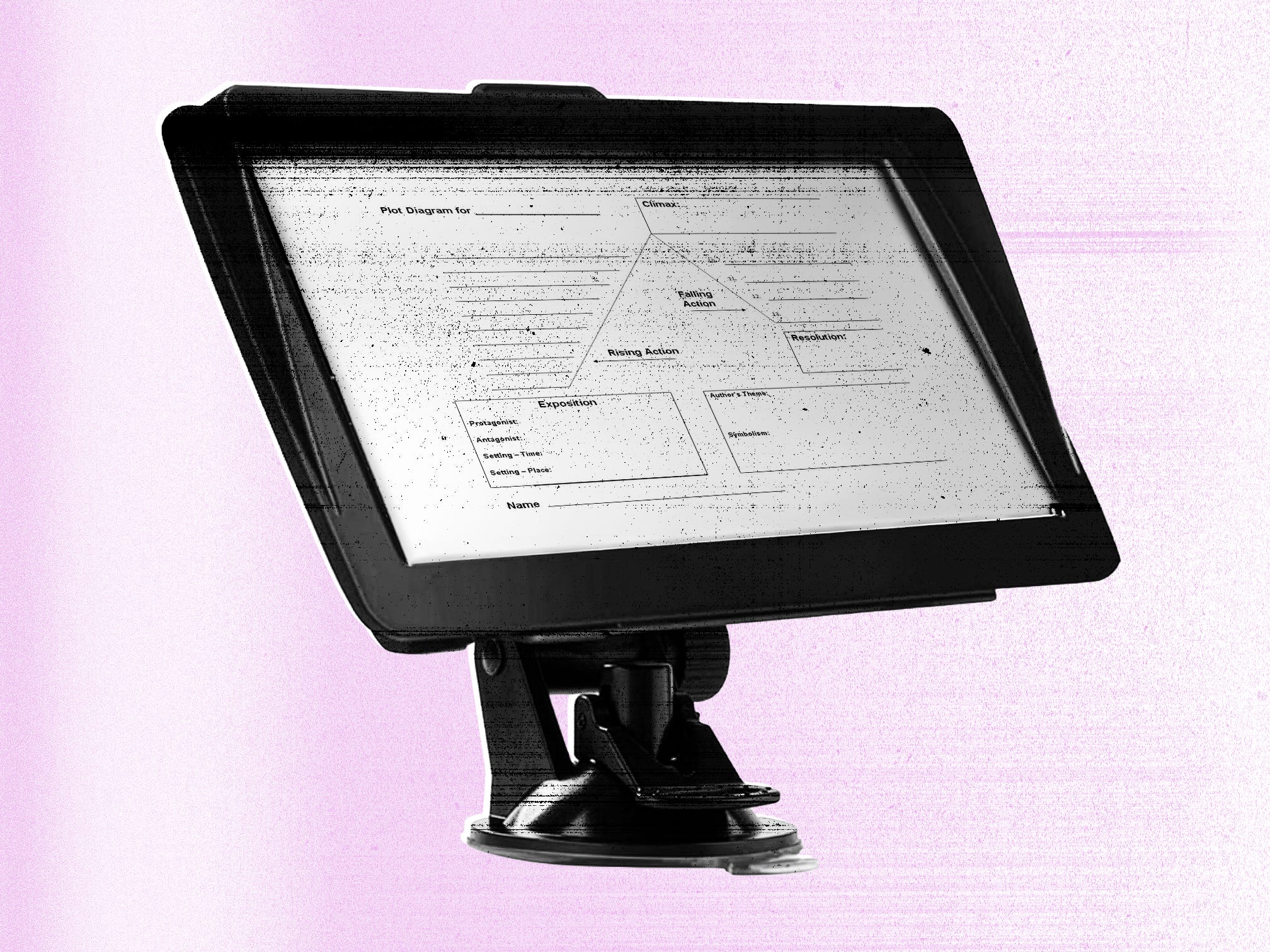
I generally have two parts of myself when I’m at the computer: the part that wants to do everything as I envisioned it and take the straightest road to my destination, and the part that wants to rebel. She’s the one letting scenes run too long, dialogue get crazy, and the characters do things I didn’t mean for them to do! Both sides are important. The editorial taskmaster can’t win every time, or the book will be a drag—for the writer and the reader. There’s something to be said for letting the characters or the plot persuade you to take a twisty and even treacherous path once in a while. A novel without spontaneity can feel very, very dull. Like being on a guided tour for 300 pages.
You have a certain obligation, I think, to protect your work even from yourself—to guard its originality, and not allow yourself to dampen its spirit by chopping out all of the impulsive or curious moments.
This week…
